

The UAE has emerged as one of the world’s most attractive destinations for entrepreneurs and international businesses. Whether you’re launching a consultancy, expanding a trading operation, or establishing a regional headquarters, understanding the UAE business setup process is essential. This guide walks you through everything from jurisdiction selection to visa processing, giving you a clear roadmap to launch your company in the UAE.
Key Takeaways
A standard UAE company can be set up in about 4 working days via emirate-level Departments of Economic Development, or in as little as 15 minutes through the federal Basher platform for eligible activities.
Three main jurisdictions exist: mainland (full market access), free zone (100% foreign ownership with sector-specific benefits), and offshore (asset holding and international structuring).
Since 2021 reforms, many activities now allow 100% foreign ownership onshore, eliminating the traditional requirement for a local sponsor in numerous sectors.
Core steps include: choose activity and jurisdiction, select legal form and trade name, obtain initial approval, sign MoA or LSA, secure office space, get external approvals if needed, then issue your licence and visas.
Costs vary significantly based on emirate, licence type, office requirements, and visa quotas—using a reputable setup advisor can reduce delays and application rejections.
Why the UAE Is a Prime Place to Start a Business

The UAE serves as a strategic gateway connecting the Middle East, Africa, and Asia, with recent pro-investor reforms making it easier than ever for foreign companies to establish operations. The country’s economic resilience is demonstrated by consistent growth—Dubai’s GDP expanded by approximately 3.6% in early 2024, with forecasts projecting around 4% growth for the full year.
Zero personal income tax and a competitive 9% federal corporate tax rate (with exemptions for qualifying free zone activities) make the UAE attractive compared to many other jurisdictions
Political and economic stability, world-class infrastructure including major ports and airports, and modern legal frameworks strongly support foreign investors
Fast setup times, extensive e-government portals, and specialised free zones tailored to sectors like trade, technology, media, and finance reflect the country’s business-friendly reputation
The UAE’s commitment to digital government services means entrepreneurs can often complete significant portions of the company formation process without leaving their home country. Specialised economic zones cater to virtually every industry, from logistics and manufacturing to fintech and creative media.
UAE Business Setup Timelines: 10 Days, 4 Days, or 15 Minutes?

Speed is one of the UAE’s key competitive advantages when it comes to business setup. International benchmarks from the World Bank (circa 2019-2020) show that starting a company in high-income economies takes an average of around 10 days. The UAE significantly outperforms this standard.
For most standard activities in emirates like Dubai, Abu Dhabi, and Sharjah, a straightforward mainland licence through the local Department of Economic Development typically takes about 4 working days once all documents are properly prepared and submitted.
The federal Basher platform—a unified online gateway connecting multiple federal and local authorities—can issue eligible commercial licences in approximately 15 minutes when working with pre-validated data. This applies to straightforward setups where documentation is complete and activities don’t require additional regulatory clearance.
Complex activities such as financial services, healthcare, education, and oil & gas operations can still take several weeks due to additional government approvals from specialist authorities.
Planning your timeline realistically means understanding where your business activity falls on this spectrum. A trading company selling general consumer goods will move through the system much faster than a clinic requiring Ministry of Health clearance.
Choosing the Right Jurisdiction: Mainland, Free Zone, or Offshore
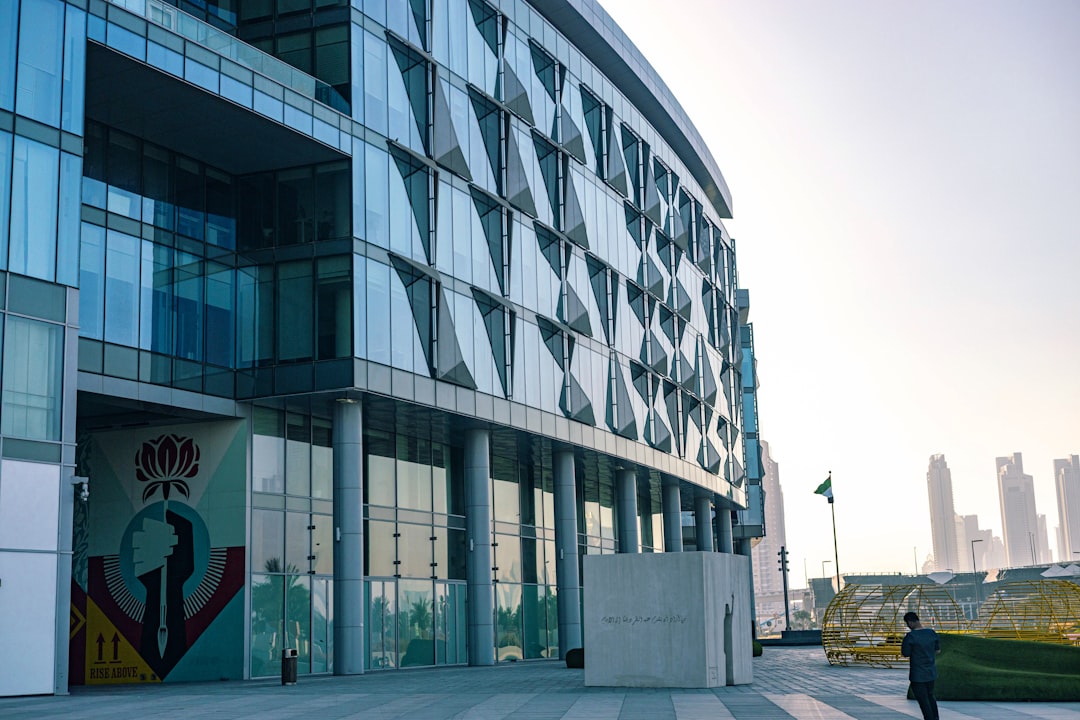
Jurisdiction determines who you can trade with, how corporate tax applies to your operations, and what regulations govern your business. This is typically the first strategic decision every investor must make.
Mainland refers to onshore UAE, licensed by each emirate’s Department of Economic Development. This option suits businesses that want to:
Trade directly across the entire UAE market
Bid on government contracts
Operate physical retail outlets or service centres
Access government entities governing various sectors
Free Zone companies are registered within designated areas such as DMCC (Dubai), JAFZA, RAKEZ (Ras Al Khaimah), Abu Dhabi Global Market (ADGM), or Dubai International Financial Centre (DIFC). These zones typically offer:
100% foreign ownership without a local sponsor
Simplified incorporation procedures
Sector-specific ecosystems and networking opportunities
Tax benefits for qualifying activities
Offshore structures (such as JAFZA Offshore or RAK ICC) are non-resident companies designed for:
Holding assets and intellectual property
International trading and structuring
Asset protection strategies
Offshore companies cannot trade onshore within the UAE or lease traditional office space in the same manner as mainland and free zone entities.
Mainland vs Free Zone vs Offshore: Practical Considerations

Understanding the practical differences between these jurisdictions helps you make an informed choice aligned with your business objectives.
Ownership Rules: Since 2021 reforms, 100% foreign ownership is permitted in many onshore sectors, reducing the historical need for UAE national shareholders. However, certain strategic sectors—including some energy and defence-related activities—still require local participation. Free zone entities have always permitted full foreign ownership. Offshore companies similarly allow 100% foreign shareholding but operate under different regulatory frameworks.
Market Access: Mainland companies enjoy unrestricted access to trade throughout the UAE and internationally. Free zone entities can typically engage with international clients and other free zone businesses without restriction, but selling directly to UAE consumers outside the zone usually requires a mainland branch or local distributor arrangement. Offshore companies cannot conduct business within the UAE market.
Office Requirements: Mainland operations require securing office space registered through official systems. Free zones offer flexible options including flexi-desk arrangements and virtual offices that satisfy regulatory requirements while keeping costs manageable. Offshore structures have minimal physical presence requirements within the UAE.
Example scenarios:
- An online consulting firm primarily serving international clients might choose a Dubai free zone for streamlined setup, full ownership, and lower overhead
- A retail store planning multiple UAE locations would typically select Abu Dhabi or Dubai mainland to ensure unrestricted market access and the ability to operate in shopping centres
Types of Business Licences in the UAE
The nature of your business activity determines which licence category you need. Getting this classification right from the outset is central to smooth approvals and appropriate fee structures.
On the mainland, economic departments group licences into several categories:
Licence Type | Primary Activities |
|---|---|
Commercial | Trading, import/export, retail, wholesale |
Industrial | Manufacturing, production, processing |
Professional | Services, consultancy, freelancing |
Tourism | Travel agencies, tour operators, hospitality |
Agricultural | Farming, fisheries, related activities |
For free zone company setups, tailored licences include:
- Commercial trade licences
- Consultancy and professional services
- Industrial and manufacturing permits
- Educational licences
- Media and content creation
- E-commerce and digital services
- Warehousing and logistics
Certain emirates and free zones also issue specialised permits such as freelancer licences, call centre permits, and consumer protection service licences. The UAE’s free zones have developed highly specific activity bundles—a “consultancy licence” might cover management advisory, marketing services, and business development under a single permit.
Choosing the correct activity list at the outset avoids future amendments, fines, or re-applications. Cross-check with official activity lists from your chosen authority before finalising.
Legal Forms: LLC, Sole Establishment, Branch and More

Selecting the appropriate legal form dictates liability, ownership structure, and documentation requirements throughout the company registration process.
Limited Liability Company (LLC): The typical structure for many foreign investors on the mainland. Post-2021 reforms often allow 100% foreign shareholding depending on activity and emirate rules. Partners’ liability is limited to their capital contribution.
Sole Establishment: Suitable for individual service providers, consultants, and professionals. Offers simpler administration but different liability implications—the owner is personally liable for business debts.
Civil Company: Used primarily by professionals like doctors, lawyers, and engineers. Partners share unlimited liability.
Branch of Foreign Company: Allows existing foreign companies to operate in the UAE without forming a new legal entity. Typically requires a local service agent agreement—the agent facilitates licensing but doesn’t hold ownership shares.
Free Zone Establishment (FZE/FZCO): Single or multi-shareholder entities registered within specific free zones, operating under that zone’s regulations.
Public Joint Stock Company and Private Joint Stock Company: Used for larger enterprises, often with significant minimum capital requirements and more complex governance structures.
Aligning your legal structure with long-term goals—visa needs, potential investor attraction, tax planning, or eventual sale of the business—requires careful consideration. Complex setups warrant consultation with legal or corporate advisors.
Step‑by‑Step Process to Set Up a Business in the UAE

While details vary by emirate and free zone, most UAE business setups follow a similar 7-9 step pattern. Understanding this sequence helps you prepare documents efficiently and avoid unnecessary delays.
Overview of the main steps:
- Define your business activity and select jurisdiction
- Choose your legal form and shareholding structure
- Reserve your trade name
- Obtain initial approval
- Draft and sign the Memorandum of Association or local service agent agreement
- Secure your office, warehouse, or flexi-desk space
- Obtain any external regulatory approvals
- Pay fees and collect your trade licence
- Open a corporate bank account and process visas
Many emirates offer fully online portals through their economic departments, allowing trade name reservation, initial approval, and licence issuance to be completed remotely when documents are clear and properly attested. Free zones frequently provide “one-stop shop” services bundling the entire application into a streamlined process.
Step 1: Determine Your Business Activity
The entire business setup process hinges on accurately defining what your company will actually do. This isn’t just administrative—it affects licensing fees, regulatory requirements, office space specifications, and visa quotas.
Each emirate and free zone maintains an official “activity list.” When selecting activities:
- Match your choices to your real operations (don’t select activities speculatively)
- Understand distinctions between wholesale and retail trading
- Clarify whether operations are online, physical, or both
- Identify if your activity requires external approvals (healthcare, education, financial services, media, oil & gas)
Avoid overloading your licence with unrelated activities. This complicates approvals, increases costs, and may trigger unnecessary regulatory scrutiny. A focused, coherent activity set moves faster through the system.
In free zones, activity bundles are often pre-defined. A “general trading licence” or “management consultancy licence” may cover multiple related services under one permit, simplifying decisions for entrepreneurs entering the market.
Step 2: Choose Jurisdiction, Legal Form and Ownership Structure
Connect your activity requirements to the earlier jurisdiction considerations. Ask yourself:
- Do I need to sell directly to UAE consumers? (Consider mainland)
- Am I primarily serving international clients? (Free zone may suffice)
- Is this purely for holding assets or international contracts? (Offshore could work)
At this stage, you’ll also decide:
- Single-owner structure vs multi-shareholder company
- Whether foreign shareholders will hold 100% or share ownership with UAE nationals
- Branch structure vs new entity formation
Many professional and commercial activities now permit full foreign ownership onshore. However, designated companies in certain strategic sectors may still require national participation or special approvals from relevant authority bodies.
Consider future needs: raising capital, adding partners, or selling shares. Free zones sometimes require minimum capital (often not fully paid up at incorporation), while mainland LLCs typically set nominal share capital amounts according to local economic department guidelines.
Step 3: Reserve Your Trade Name
Every emirate enforces rules for trade names. Your business name must:
- Reflect the licensed activity
- Avoid offensive, religious, or blasphemous terms
- Not duplicate existing registered names in the jurisdiction
Trade name reservation happens online or in person through emirate-level economic departments or free zone authorities. Reserved names typically remain valid for a fixed period (often 6 months) before expiration.
Using foreign words or certain terms like “International,” “Group,” or “Holding” may attract higher fees or require special justification through the digital government regulatory authority or relevant economic department.
Check domain name availability and branding considerations at this stage for consistent corporate identity across your website, marketing materials, and legal documents.
The name on your trade licence is your legal name. It may differ from brands or trading styles used in marketing, where permitted by local rules.
Step 4: Obtain Initial Approval
Initial approval represents a formal “no-objection in principle” from the relevant authority. This confirms the government doesn’t object to forming your business, though it doesn’t yet authorise trading.
Standard submission requirements include:
- Passport copies of all shareholders and managers
- Brief activity description
- Proposed shareholding structure
- Business plan (for some regulated activities)
Foreign nationals may need security or immigration checks through bodies like the General Directorate of Residency and Foreigners’ Affairs before certain approvals. For specific activities, initial approval may already include conditional endorsements from sector regulators such as health authorities, education councils, or media bodies.
For standard activities, receiving your initial approval receipt typically takes 1-2 working days when documents are complete and accurate.
Step 5: Draft and Sign the MoA or Local Service Agent Agreement
For companies with multiple shareholders (such as LLCs), a Memorandum of Association sets out:
- Share capital amounts
- Profit distribution arrangements
- Management roles and responsibilities
- Decision-making processes
Certain professional firms or foreign company branches may use a local service agent agreement with a UAE national or corporate body. The local service agent doesn’t own shares but facilitates licensing and administrative processes for an annual fee.
MoAs and LSAs typically require notarisation or attestation through authorised UAE notary publics. Documents signed abroad need legalisation through the UAE embassy and Ministry of Foreign Affairs chain.
Seek legal review before signing. These documents govern partner rights, dispute resolution methods, and exit options—getting them right protects your interests long-term.
Many free zones offer standardised Articles of Association templates, simplifying this step compared with fully custom mainland MoAs.
Step 6: Secure Office, Warehouse, or Flexi‑Desk Space
Every UAE business must provide a physical address on its licence. Options include:
Space Type | Best For | Cost Level |
|---|---|---|
Traditional office | Client-facing businesses, larger teams | Higher |
Warehouse/industrial | Trading, manufacturing, logistics | Variable |
Flexi-desk/coworking | Startups, consultancies, small teams | Lower |
Smart office | Free zone businesses with minimal staff | Lower |
In emirates like Dubai, rental agreements must be registered through official systems such as Ejari to be accepted by the economic department and government services portals. This lease contract becomes a required document for licence issuance.
Free zones often bundle licensing and office space costs, offering flexi-desks or shared workspaces that satisfy regulatory address requirements while keeping initial overhead manageable for new businesses.
Some regulated activities have minimum space or facility standards. A healthcare clinic, food manufacturing facility, or charter air transport operation will face specific premises requirements. Verify these before signing any lease.
Important: Visa quotas are often linked to office size and type. A flexi-desk might support 1-3 visas, while a dedicated office space can accommodate larger teams. Align your visa processing plans with office selection from the start.
Step 7: Obtain Any External Regulatory Approvals
Certain business activities require clearance from specific ministries or regulatory bodies beyond the economic department or free zone authority.
Examples include:
Activity Type | Approving Authority |
|---|---|
Medical clinics, pharmacies | Ministry of Health, Real Estate Regulatory Agency (for premises) |
Financial services | Central Bank, DFSA (for DIFC), FSRA (for ADGM) |
Broadcasting, publishing | Media councils, National Media Council |
Telecommunications | Telecommunications Regulatory Authority |
Educational institutions | Knowledge and Human Development Authority, Ministry of Education |
Alarm and safety systems | Civil Defence, other government entities |
Maritime agencies | Federal Transport Authority |
These approvals may involve site inspections, qualification checks, or submission of detailed operational plans. Additional government approvals extend timelines significantly compared with standard trading or consultancy licences.
Ignoring or skipping required external approvals can result in fines, licence suspension, or outright rejection at the final issuance stage. Early consultation with specialist authorities—or advisors experienced in your sector—shortens the overall approval process.
Step 8: Pay Fees and Issue Your Trade Licence
Once all documents, approvals, and contracts are assembled, you’ll pay official licence issuance fees. These vary by:
- Emirate and jurisdiction
- Business activity type
- Legal form selected
- Number of activities on the licence
Licences are typically valid for one year initially and must be renewed annually. Some free zones offer multi-year packages with discounted rates for upfront payment.
Your issued trade licence (sometimes called a business licence or trade licence interchangeably) is the core document authorising you to legally conduct business in the UAE under your registered trade name. It specifies your permitted activities, business location, and legal form.
Store digital and hard copies securely. Banks, landlords, visa authorities, and potential business partners will all request copies. Most modern emirates allow licence renewal and printing of electronic copies through online government services portals without visiting service centres.
Step 9: Corporate Bank Account, Visas, and Post‑Setup Tasks
With your trade licence in hand, several critical post-setup tasks remain.
Opening a Corporate Bank Account:
UAE banks have rigorous compliance and anti-money-laundering requirements. Expect to provide:
- Trade licence copy
- Memorandum of Association
- Passport copies of all shareholders and authorised signatories
- Proof of residence
- Expected transaction volumes and counterparty details
- Business plan with 12-month cash flow projections
Bank account opening can take 2-4 weeks depending on the institution and complexity of your business structure. Some international business operations face additional due diligence requirements.
Visa Processing:
Investors and employees obtain residence visas through the immigration system linked to the company. Standard requirements include:
- Medical examination
- Emirates ID registration
- Health insurance (mandatory in most emirates)
Visa quotas depend on your office size and licence type. Planning this from Step 6 ensures you don’t face constraints when hiring.
Ongoing Obligations:
- Annual licence renewals
- Labour contract registration and compliance
- Accounting records maintenance
- Annual audits (required for certain free zones and company types)
- Corporate tax registration and filing (where applicable)
- Economic substance reporting (for certain activities)
Proper post-setup compliance supports smooth business operations and future growth, particularly when dealing with international banks, partners, and government entities governing your sector.
Costs of Setting Up a Business in the UAE

There’s no single fixed price for UAE business setup. Costs depend heavily on jurisdiction, activity type, office requirements, visa needs, and whether you handle the process yourself or engage professional accounting services and setup specialists.
Typical cost components include:
- Trade name reservation fees
- Initial approval fees
- Licence issuance charges
- Office, flexi-desk, or warehouse rental (often annual)
- MoA/LSA notarisation and legal fees
- Immigration establishment card
- Individual visa costs (per person)
- Consultancy fees (if using setup specialists)
- Bank account setup (some banks charge)
Free zones often promote package prices bundling licence, basic office, and a quota of visas into one annual fee. Mainland setups have more variable elements including separate municipality fees, Ejari registration, and tenancy costs.
Example scenarios:
A small consulting firm choosing a Dubai free zone flexi-desk might expect total first-year costs including licence, desk space, and one investor visa to fall into a manageable range for most entrepreneurs—reference data suggests approximately AED 12,900 for basic free zone company formation.
A trading company renting a small warehouse on the mainland faces different economics. Beyond mainland company formation costs (approximately AED 18,900 for basic setup), warehouse rental, import permits, and multiple employee visas add substantially to the budget.
Plan both initial and recurring expenses. Annual licence renewals, lease renewals, staff visa renewals, insurance, and audit fees (where applicable) represent ongoing costs that affect long-term business growth projections.
Timelines and What Can Delay Your Setup

Typical timelines:
- Straightforward mainland licence: ~4 working days
- Standard free zone setup: 1-2 weeks
- Complex regulated activities: 4-8 weeks or longer
Common causes of delay:
Delay Factor | How to Avoid |
|---|---|
Incomplete documentation | Prepare full document set before starting |
Trade name rejection | Research existing names and guidelines |
Pending external approvals | Engage specialist authorities early |
Bank compliance checks | Prepare detailed business plan and projections |
International document legalisation | Start embassy attestation process weeks ahead |
Using experienced advisors or dealing directly with official one-stop platforms significantly mitigates avoidable delays. Many rejections stem from simple errors like mismatched names across forms or low-resolution document scans.
How to Apply: Online Platforms vs In‑Person Applications
The UAE government has heavily digitised business setup, giving investors flexibility between online and traditional in-person channels.
Entrepreneurs can apply through:
- Emirate-level economic department portals
- Individual free zone authority websites and apps
- The federal Basher platform (for eligible activities)
In-person applications remain relevant for cases requiring:
- Physical document verification
- Premises inspections
- Hands-on support at service centres
Many service providers and law firms handle the entire application process on behalf of investors via power of attorney. This approach suits foreign owners who cannot easily travel to the UAE during the setup phase.
Regardless of channel, accuracy and consistency across all forms—shareholding details, activity descriptions, addresses—is crucial. Mismatched information triggers clarification requests and extends timelines.
Using the Basher Platform and Emirate E‑Government Services
The Basher platform integrates multiple federal and local entities, enabling eligible commercial licences to be issued in approximately 15 minutes for straightforward activities with pre-validated documentation.
Basher works best for:
- UAE nationals and foreign investors with standard documentation
- Simple commercial activities without heavy regulation
- Setups where all digital requirements can be satisfied
Complex or highly regulated businesses typically still require traditional routes through specific authority portals.
Each emirate operates its own economic department portals and mobile apps:
- Dubai: DED Trader app and portal for instant licences, trade name search, renewals
- Abu Dhabi: ADDED portal with instant licence services for qualifying activities
- Sharjah: Sharjah Economic Development Department online services
- RAK, Ajman, UAQ, Fujairah: Individual economic department portals
Abu Dhabi has launched instant licence services allowing certain company online registration without visiting service centres—a model other emirates are progressively adopting.
Keep scanned copies of all key documents ready in accepted formats (typically PDF, clear resolution, under specified file sizes) before starting any online application. This prevents frustrating upload failures mid-process.
Sponsorship, Ownership, and Visas
“Sponsorship” in the UAE context can refer to company ownership arrangements or visa sponsorship for residents and employees. Understanding both is essential for foreign investors.
In many free zones, foreign investors hold 100% of shares with no UAE national sponsor requirement. Recent reforms have extended full foreign ownership to many onshore sectors as well, fundamentally changing the traditional landscape.
Where required, a UAE national partner or local service agent may still be involved. The specifics depend on:
- Your business activity type
- Selected emirate
- Chosen legal form
Once licensed, your company can sponsor residence visas for owners, employees, and eligible family members. Immigration rules set income and profession criteria affecting visa eligibility and duration.
Do You Still Need a Local Sponsor?
For many commercial and professional activities listed on the UAE’s “positive list,” foreign investors can own 100% of mainland companies. This removes the traditional 51% local shareholding requirement that historically applied to most onshore businesses.
However, certain activities remain restricted:
- Strategic sectors (defence, security)
- Some energy-related activities
- Specific media categories
- Activities with local content requirements
These may still require UAE national shareholding or government partnership arrangements.
For professional sole establishments and branches, a local service agent may be used. This agent:
- Does not own shares in your business
- Assists with government interactions
- Charges an annual fee for services
- Has no claim to profits or decision-making authority
Example contrast:
- A 100% foreign-owned IT consulting firm can operate in most Dubai free zones or even mainland with full ownership
- A company in a strategically sensitive sector like defence equipment may require mandatory local participation regardless of jurisdiction
Always verify current regulations with your target emirate and sector authority, as ownership rules continue to evolve through ongoing economic development reforms.
Frequently Asked Questions (FAQ)
These questions address common concerns not fully covered in the main sections, with concise practical answers.
What is the minimum capital required to start a business in the UAE?
Minimum share capital requirements vary significantly by jurisdiction and activity. Many free zones allow low nominal capital—sometimes just AED 1,000 to AED 50,000—not fully paid up at incorporation. Some regulated sectors or holding company structures require higher amounts.
On the mainland, economic departments often no longer impose high minimums for standard LLCs. However, your MoA will state an agreed capital figure that should align with business needs and bank expectations. Banks conducting due diligence may effectively set higher practical thresholds by requiring demonstrated capitalisation before opening accounts.
Confirm current thresholds with your chosen authority or advisor, as requirements change and practical banking expectations may exceed legal minimums.
Can I run my UAE business from abroad or from home?
Many free zone and service businesses can be largely managed remotely, particularly online consultancies and digital ventures. However, you must maintain an approved registered address—typically office space, flexi-desk, or similar arrangement—even if you’re not physically present daily.
Home-based operation is restricted. Residential addresses generally cannot replace the officially approved commercial space required on your licence. Some free zones have explored “virtual office” concepts, but these still involve registered business addresses rather than personal homes.
The feasibility of managing operations from abroad also depends on whether your activity requires local staff, in-person client interactions, or periodic regulatory inspections.
Do I have to visit the UAE in person to set up my company?
Some free zones and authorities allow most of the process to be completed remotely through digital signatures and power of attorney arrangements. This is especially common for straightforward setups without heavy regulatory requirements.
However, certain steps typically require physical presence:
- Bank account opening (most UAE banks require in-person meetings)
- Notarising certain documents
- Biometric registration for residence visas
Ask your chosen authority or advisor about remote setup options early in the process. Understanding which steps require travel helps you plan an efficient trip if needed, or structure the timeline around your availability.
Can I change my business activity or upgrade my licence later?
Most authorities permit activity amendments—adding activities, removing them, or converting to a different licence category. These changes involve approval procedures and additional fees, but evolution is possible as your business grows.
Substantial changes present more complexity. Moving from a service-only licence to full trading with import/export permissions may require:
- New external approvals
- Adjustments to office or warehouse facilities
- Updated immigration quotas
- Revised MoA documentation
Choosing a reasonably flexible activity set at the start reduces the need for major amendments later. However, the system accommodates business evolution—this shouldn’t prevent you from starting with a focused scope and expanding over time.
What happens if I don’t renew my trade licence on time?
Failing to renew on time triggers several consequences:
- Financial penalties (fines accumulate with delay)
- System blocks preventing visa processing, bank transactions, or contract renewals
- Possible suspension of your company’s right to conduct business
Prolonged non-renewal may result in the company being struck off or flagged in government systems. This complicates future licensing or visa applications for the same owners, even for unrelated ventures.
Set calendar reminders well before the renewal date—at least 30 days ahead. Clear any outstanding fines, ensure your registered address remains valid, and confirm all shareholders’ documentation is current before attempting renewal. Most renewals can be completed online within hours when everything is in order.